California's small estate threshold increased to $208,850 on April 1, 2025, allowing more estates to use simplified procedures, but Orange County real estate values typically push even modest estates into formal probate requirements.
Small estate affidavits avoid court involvement but carry hidden risks; institution refusals, creditor liability, and family disputes often force formal probate anyway, wasting the 40-day waiting period.
DIY probate for small estates demands 20-40 hours initially and 5-10 hours weekly for 6-12 months, plus strong organizational skills, legal form comprehension, and Orange County's mandatory eFiling compliance.
Six situations make attorney representation essential even for small estates: Orange County real property, family disputes, significant debts, unclear documents, suspected elder abuse, and out-of-state executors.
Initial attorney consultations ($0-$400) prevent costly mistakes by providing a professional assessment of whether DIY is realistic, identifying specific risks, and creating a roadmap that saves thousands in rejected filings and litigation.
Losing a loved one brings emotional turmoil, family responsibilities, and often unexpected legal complexities. When the estate falls below California's small estate threshold, many families assume they can handle administration themselves without professional help. The reality proves more nuanced; Orange County's real estate values, mandatory eFiling requirements, and common estate complications frequently transform "small" estates into significant legal challenges.
This guide examines when small estates genuinely qualify for simplified procedures, what DIY administration truly requires, and the specific situations where attorney representation becomes essential rather than optional. Understanding these distinctions helps executors make informed decisions, protecting both the estate and their personal liability.
What Counts As A "Small Estate" In California And Orange County?
California's small estate definition determines whether you can use simplified procedures or need formal probate. The threshold amounts changed significantly in April 2025, affecting which estates qualify for streamlined processing.
Current California Small Estate Thresholds And What They Mean For You
Which Assets Count Toward The Limit, And Which Don't
Assets subject to probate include sole-ownership bank accounts, vehicles titled in the decedent's name alone, personal property like jewelry and furniture, and real estate held without joint ownership. These assets combine to determine whether you exceed the small estate probate California threshold.
Excluded assets bypass probate entirely: property held in joint tenancy with right of survivorship, Transfer-on-Death (TOD) or Payable-on-Death (POD) accounts, life insurance policies with named beneficiaries, retirement accounts with designated beneficiaries, and any assets properly titled in a living trust. These strategies effectivelyavoid probate California requirements.
When Does A Small Estate In Orange County Still Require Probate?
Even estates below the threshold often require formal probate due to specific complications. Orange County's real estate values and common estate characteristics frequently push "small" estates into full court proceedings.
Four Situations That Force Small Estates Into Formal Probate
Total value exceeds threshold: Estates over $184,500/$208,850 require formal probate regardless of other factors. With attorney representation, expect 9-18 months; DIY attempts typically take 18-36+ months with higher rejection rates.
Real property over the limit: Orange County homes routinely exceed the $61,500/$69,625 real property threshold. Even modest condos or inherited house equity triggers full probate requirements, making the simplified petition unavailable.
Family disputes or will contests: Any disagreement among heirs over asset distribution, executor appointment, or will validity necessitates probate court oversight. The court provides legal protection and binding dispute resolution that informal procedures cannot offer.
Significant debts or Medi-Cal recovery: Complex creditor situations require probate's formal 4-month creditor claim period. Medi-Cal estate recovery claims, substantial debts, or uncertain creditor situations make legal protection essential for the executor.
Can You Use Simplified Procedures Instead Of Full Probate?
Simplified procedures work only when specific conditions align perfectly. Orange County executors often discover these shortcuts carry hidden risks that exceed their apparent convenience.
Small Estate Affidavit For Personal Property
The Small Estate Affidavit allows heirs to collect personal property without court involvement when the estate stays below the threshold. This procedure works for straightforward situations with cooperative institutions:
Available for personal property under $184,500/$208,850
A 40-day waiting period after death is required by statute
No court filing required, present directly to banks, DMV, and other asset holders
Risk: Some institutions refuse affidavits, especially title companies for real estate transfers
When Simplified Procedures Become Risky
Known disputes among heirs: Affidavits provide no protection when beneficiaries disagree about distribution or the will's validity
Uncertain debts or creditor claims: Without the probate's creditor claim period, executors face unlimited personal liability for undiscovered debts
Complex asset ownership questions: Title issues, business interests, or unclear ownership make court supervision necessary
Institutional resistance requiring full probate anyway: Banks and title companies often refuse affidavits, forcing formal probate after you've already waited 40 days
Executor personal liability concerns: Mistakes in informal procedures expose executors to lawsuits without the court's protection and guidance
Can You Realistically Handle A Small Estate Without A Lawyer?
DIY probate demands significant legal knowledge, time investment, and emotional resilience. Orange County's mandatory eFiling requirements and complex procedures create additional barriers for self-represented executors.
What DIY Requires: Skills, Time, And Emotional Bandwidth
Skills needed:
Strong organization and attention to detail for tracking multiple deadlines and requirements
Comfort with legal forms and instructions written in technical language
Orange County requires eFiling (Local Rule 601.01); no paper filings are accepted except for limited exceptions
Time commitment:
20-40 hours first month gathering documents, locating assets, and researching procedures
5-10 hours weekly for 6-12 months handling creditors, court filings, and beneficiary communications
Managing grief while handling intensive paperwork and legal responsibilities
Tolerance for family conflict and criticism from beneficiaries questioning decisions
Stress management under legal deadlines with personal liability consequences
Common Costly Mistakes DIY Executors Make
Missing critical deadlines: Inventory due within 4 months of Letters issued; late filing can result in executor removal or contempt
Mis-valuing assets or using wrong valuation dates: Date-of-death valuation required; incorrect values trigger court rejections and tax problems
Inadequate creditor notification: Improper notice extends the creditor claim period or creates the executor's personal liability for unknown debts
Distributing assets before the creditor period ends: Premature distributions make the executor personally liable to repay creditors from their own funds
Ignoring tax filing requirements: Estate tax returns (if applicable) and final income tax returns must be filed; penalties accrue on missed deadlines
Incomplete court forms causing rejections: Orange County rejects improperly formatted eFiling submissions; each rejection delays the process 2-4 weeks
Mixing estate and personal funds: Commingling assets constitutes a breach of fiduciary duty and exposes the executor to surcharge claims
When Should You Hire A Probate Lawyer, Even For A Small Estate?
Small estates often contain hidden complexities that make professional representation essential. Orange County's real estate values and family dynamics frequently transform "simple" cases into legal minefields.
Six Situations Where Legal Help Is Essential
Estate includes Orange County real property: Title companies typically refuse simplified procedures for liability reasons. Proper deeds and court orders necessary for sales or transfers, errors cloud the title permanently.
Unclear, outdated, or missing estate documents: Ambiguous will language requires interpretation; multiple versions create validity questions; handwritten changes may be invalid; intestacy with complex family structure (half-siblings, stepchildren, ex-spouses) demands legal guidance from an experiencedOrange County probate attorney.
Family members arguing or threatening legal action: Attorney provides neutral oversight and legal protection. Court-supervised process with professional representation shields executor from personal liability when beneficiaries file claims or lawsuits.
Significant debts, tax issues, or Medi-Cal recovery: Complex creditor situations and tax compliance require professional guidance. Medi-Cal estate recovery claims often exceed available assets; the attorney negotiates settlements and protects heirs from overpayment.
Suspected elder abuse or undue influence: Requires legal investigation and potential will contest. Attorney evaluates capacity issues, examines suspicious transactions, and protects vulnerable beneficiaries' rights through litigation if necessary.
Out-of-state executor: Remote management creates logistical challenges with Orange County court appearances, property maintenance, and local deadlines. Local attorney handles court hearings, coordinates with service providers, and manages time-sensitive issues.
What Does A Probate Lawyer Do And What Will It Cost?
Probate attorneys provide comprehensive legal services beyond simple form preparation. Orange County lawyers charge based on case complexity and whether formal probate is required.
Key Services Attorneys Provide For Small Estates
Confirm eligibility for simplified procedures and calculate thresholds correctly using proper valuation methods
Prepare forms correctly to avoid court rejections and delays from formatting or procedural errors
Deal with resistant banks and title companies that refuse to accept affidavits without attorney representation
Manage deadlines, notices, and hearings to ensure compliance with statutory requirements
Protect the executor from personal liability through proper procedures and documentation
Prevent or resolve disputes before litigation through negotiation and clear legal guidance
Fee Structures And Typical Costs In Orange County
Orange County probate attorneys use different fee structures depending on whether the estate requires formal probate or qualifies for simplified procedures.
Attorneys often save money overall by preventing court rejections that cause 2-4 week delays each, family litigation costing $10,000-$50,000 or more, tax penalties from missed filings, title problems that block property sales, and executor liability claims from procedural mistakes. A single rejected filing or creditor lawsuit typically costs more than hiring an attorney from the start.
How To Decide: DIY Or Hire A Lawyer?
The decision depends on your specific situation's complexity, risk tolerance, and available time. Honest self-assessment prevents costly mistakes and unnecessary stress.
Self-Assessment: Is Your Estate Simple Enough For DIY?
Safe for DIY situations include estates under $100,000 in personal property only with no real estate, all heirs in complete agreement, minimal or no debts, clear will provisions or straightforward intestacy rules, and a local executor with strong organizational skills and ample time. These cases rarely encounter complications requiring legal intervention.
Risky for DIY situations include any disputes or potential conflicts among heirs, complex tax obligations, unclear or contested documents, out-of-state executors managing Orange County property, real property requiring sale or transfer, significant debts or Medi-Cal recovery claims, blended families with stepchildren or ex-spouses, or business interests requiring valuation and transfer. These factors dramatically increase error probability and personal liability exposure.
The Value Of An Initial Consultation
Most Orange County probate attorneys offer consultations ranging from free to $400, providing professional case assessment, accurate cost projections, risk identification, and strategic guidance. This consultation investment prevents mistakes costing thousands in rejected filings, delayed distributions, tax penalties, and potential litigation. Even executors planning to proceed alone benefit from a professional roadmap identifying specific pitfalls and decision points where legal help becomes essential.
Quick Answers To Common Small Estate Questions
Do I Need A Lawyer If There's A Living Trust Or POD Accounts?
Properly funded living trusts and beneficiary-designated accounts avoid probate entirely, requiring no court involvement for those assets. However, forgotten assets titled in the decedent's name alone still create probate estates requiring court proceedings. Anestate planning attorney Orange County can help with trust administration, which may involve complications, creditor claims, beneficiary disputes, and tax reporting that benefit from legal guidance even without formal probate.
Do I Need A Lawyer If There's No Will?
Small estate affidavit procedures work for intestacy (dying without a will) if the estate qualifies under the threshold. California's intestacy laws follow statutory distribution formulas that work for traditional family structures. Complexity arises with non-traditional situations, half-siblings, stepchildren, estranged spouses, or unclear parentage. Getting intestate distribution wrong creates personal liability when omitted heirs discover their legal rights and file claims.
What If A Bank Refuses My Small Estate Affidavit?
Escalate to the legal department: Branch-level employees often lack the authority or knowledge to accept affidavits
Provide statutory citations: Reference Probate Code §§ 13100-13106 establishing the bank's legal obligation
Request written explanation of refusal: Banks must articulate valid legal reasons for rejecting proper affidavits
Obtain an attorney opinion letter: Law firm letterhead often changes institutional reluctance immediately
Consider formal probate if the institution won't budge: Some situations require court orders despite statutory rights
Next Steps: What To Do Right Now
Take immediate action to preserve assets and meet legal deadlines. Order 10-15 certified death certificates from the county vital records office; you'll need originals for banks, insurance companies, and government agencies. Locate the original will or trust document and secure all estate planning paperwork. Inventory all assets with approximate values, identify known debts and creditors, and gather contact information for all heirs and beneficiaries. California law requires lodging the original will with the Superior Court within 30 days of learning of the death, regardless of whether you open probate.
Schedule a consultation with an Orange County probate attorney within 2-4 weeks, even if you're considering DIY administration. A $200-$400 consultation provides the professional roadmap preventing mistakes that cost thousands in rejected filings, family litigation, tax penalties, and executor liability. Early, organized action builds heir trust and prevents family conflict from developing. Delays create suspicion among beneficiaries and increase legal risks as deadlines approach. Starting promptly demonstrates good faith and protects your interests as executor.
Need guidance on your Orange County small estate?Contact our experienced probate team for a consultation that clarifies your options and protects your interests.
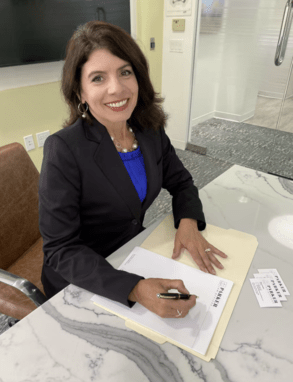
Maria Parker assists her clients plan for their end of life health care wishes and the ultimate distribution of their wealth after death. She personally experienced the importance of planning at the time her father passed away.
Maria earned her bachelor’s degree with honors from Point Loma Nazarene University and her law degree from California Western School of Law. She is the founder and managing attorney of Parker Law Offices, where she focuses on estate planning, including probate, wills & trusts, trust administration, dynasty trusts, and pet trusts. With over 15 years of experience in real estate, Maria is known for helping California families protect their legacies and avoid costly legal pitfalls.