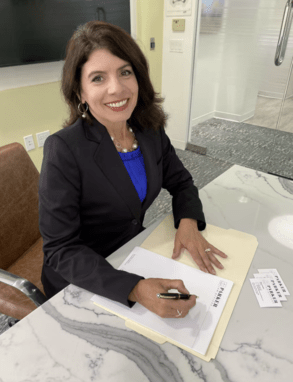

A will that is not properly witnessed or notarized can be thrown out entirely — regardless of what it says. Witness errors and execution mistakes are the leading cause of will invalidation in the United States. Understanding these requirements before you sign protects your wishes and your family from costly legal disputes. An experienced estate planning attorney in Orange County can ensure every step is handled correctly from the start.
Key Takeaways
Every state sets specific rules for who must witness your will and whether notarization is required. An experienced estate planning attorney in Orange County can ensure your will meets these requirements from the start.
Almost every state requires a minimum of two witnesses. Witnesses must be 18 or older, mentally competent, and disinterested — meaning they are not named as beneficiaries. Using a beneficiary as a witness can void their gift or invalidate the entire will, depending on state law. An Orange County wills and trust attorney can help you select qualified witnesses and avoid this common mistake.
Notarization does not make a will legally valid on its own. Its real value is creating a self-proving affidavit — a sworn statement signed by the testator and witnesses before a notary. This affidavit creates a rebuttable presumption that the will was properly executed, shifting the burden of proof to anyone who challenges it. A trust attorney in Orange County can arrange proper notarization and ensure your affidavit holds up in probate.
Witness errors are the single biggest reason wills get thrown out. Understanding what witnesses do and who qualifies can prevent your estate plan from failing when it matters most.
Improper execution — mainly witness and signature problems — can create will contest claims. The testator must sign in the presence of witnesses, and witnesses must sign in the presence of the testator and each other. States define "presence" differently. Some require a direct line of sight during signing. Others apply a looser "conscious presence" standard where parties simply need to be aware of the act. An Orange County probate attorney can ensure your execution ceremony follows the correct procedure for your state.
California law requires two witnesses who are at least 18, mentally competent, and disinterested — meaning they receive nothing under the will. Using a beneficiary as a witness can create a presumption of undue influence. The testator must also declare to the witnesses that the document is their will. Choose witnesses who are likely to be available to testify if the will is ever contested. An estate planning attorney in Orange County can guide witness selection and ensure every requirement is met.
Execution errors open the door to costly legal battles. Understanding the threats helps you take the right preventive steps with your estate planning attorney in Orange County.
A no-contest clause forces any losing challenger to forfeit their inheritance, though enforceability varies by state. Spouses carry a higher success rate challenging disinheritance through elective share claims. Minor children can succeed under pretermitted heir statutes. In community property states like California, each spouse automatically owns half of marital assets. Simply omitting a child's name is not enough — explicitly name and disinherit anyone you wish to exclude. A trust attorney in Orange County can draft language that holds up under scrutiny.
Choose a no-contest clause if you expect challenges from disinherited family members and want to deter frivolous claims. Choose explicit disinheritance language when omitting a child or spouse, since simply leaving someone out of the will is not enough to prevent a contest under pretermitted heir statutes. Choose both strategies together when high-value assets or blended family dynamics increase the likelihood of a dispute.
Professional guidance turns a vulnerable document into one that stands up in court. Here is what an attorney actually does during the process.
An estate planning attorney in Orange County ensures your will meets every California requirement: proper signature, two disinterested witnesses, and an optional self-proving affidavit. Beyond execution, legal review covers capacity documentation, clear beneficiary identification, and explicit disinheritance language where needed. Strong execution by a qualified attorney is consistently cited as a top reason will contests fail.
Choose professional estate planning if your estate involves blended families, diminished capacity concerns, high-value or complex assets, or any history of family conflict. A DIY or online will service may work for simple estates with a single beneficiary, minimal assets, and no contested relationships — but even then, a one-time attorney review can catch execution errors. Attorney-supervised execution includes witness coordination, self-proving affidavit preparation, attestation clauses, and capacity documentation — none of which are standard in DIY templates. Expected outcomes: A properly executed, attorney-supervised will reduces contest risk, streamlines probate, and gives your family certainty rather than litigation.
Following a clear process during execution protects your will from future challenges. These steps apply whether you are creating a new will or updating an existing one.
Select witnesses who are 18 or older, mentally competent, and have no financial interest in the will. All parties — testator and witnesses — must be present together during signing. The testator should declare the document is their will before anyone signs. Witnesses must sign the will itself, not just the self-proving affidavit. Then add a notarized self-proving affidavit to create a presumption of validity. Number all pages, use the testator's full legal name, and clearly identify every beneficiary. An Orange County probate attorney can oversee this process and ensure nothing is missed.
Testamentary capacity requires the testator to understand certain elements at signing. A dementia or Alzheimer's diagnosis does not automatically negate capacity — courts recognize lucid intervals during which a valid will can be executed. However, individuals with diminished capacity are especially vulnerable to undue influence, making professional capacity documentation critical. A will driven by an insane delusion may be invalidated if the delusion affected its provisions.
When a California probate court reviews your will, it checks proper execution first — valid signatures and two qualified witnesses. A will that fails these requirements may be rejected, leaving the estate subject to intestacy laws that ignore your wishes. If you included a self-proving affidavit, the court admits your will without requiring witnesses to testify, reducing delays and costs. Working with an Orange County probate attorney early — and ensuring your will meets California’s execution standards — is the most effective way to protect your estate at the probate stage.
Do not leave your estate plan to chance. The estate planning attorneys at Parker Law Offices in Orange County help clients draft, witness, and notarize wills that hold up in court. Whether you need a new will, an update to an existing plan, or guidance on trusts and probate, contact Parker Law Offices today to protect your wishes and your family's future.