
Key Takeaways
Probate in California can turn a family’s loss into months of court delays, public filings, and thousands in mandatory fees. This article breaks down what probate is, when it’s required, and why so many families aim to avoid it. You’ll learn the top five strategies—revocable living trusts, beneficiary designations, joint ownership choices, California transfer-on-death deeds, and lifetime gifting—plus how to coordinate them so assets pass smoothly. We’ll also cover the biggest pitfalls, from unfunded trusts to outdated beneficiaries. By the end, you’ll know which tools fit your assets and next steps to take without added stress for you and your family.
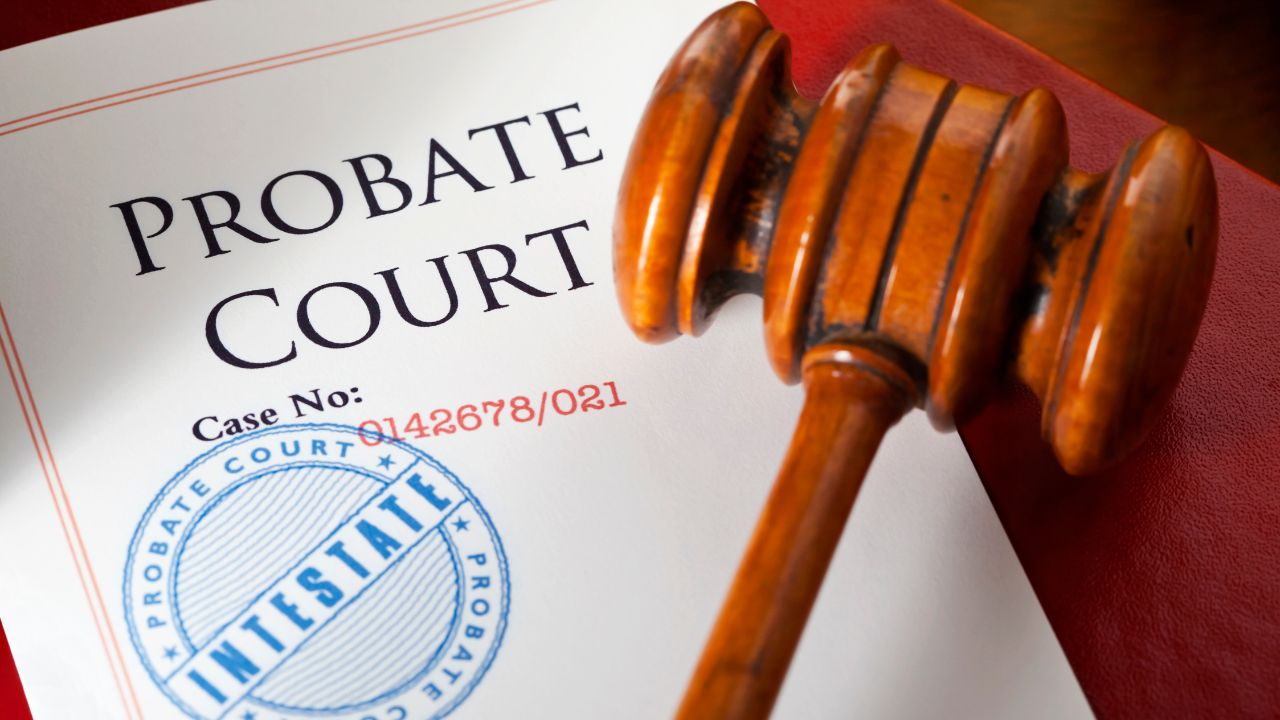
Before exploring probate avoidance strategies, you need to understand what you're avoiding. Probate is California's legal process for transferring assets after death. It's slow, expensive, and public—which is why so many families work with an Orange County probate attorney or estate planner to sidestep it entirely.
Probate is the court-supervised process of validating a will and distributing assets to heirs. A judge oversees everything: confirming the will is legitimate, appointing an executor, notifying creditors, and approving final distributions.
Your assets enter probate when they're held in your individual name without a beneficiary designation or survivorship rights. A house titled only in your name? Probate. A bank account without a payable-on-death beneficiary? Probate. This is why estate planning to save money starts with understanding which assets will trigger court involvement—and which won't.
California probate averages approximately 20 months from start to finish. Complex estates or contested wills can stretch to 24 months or longer.
Court backlogs drive much of this delay. Every step requires judicial approval: opening the case, inventorying assets, paying debts, and distributing inheritances. Your family can't access most assets until the court signs off. Meanwhile, bills pile up, and property sits idle. This timeline alone motivates many Californians to avoid probate in California through planning.
Total probate costs typically run 3% to 7% of the estate's value. On a $500,000 estate, that translates to $15,000–$35,000 in fees, court costs, and related expenses.
California sets statutory attorney and executor fees based on estate value—not actual work performed. A straightforward estate pays the same percentage as a complicated one. Add court filing fees, appraisal costs, and bond premiums, and the total climbs quickly. These numbers explain why living trust probate avoidance has become standard practice for California homeowners. The upfront cost of proper planning is a fraction of what probate would consume.
Probate isn't always the wrong choice. For very simple estates with few assets or when creditor claims need formal court supervision, the process serves a purpose.
Probate also provides judicial oversight that can resolve heir disputes. When family members disagree about a will's validity or asset distribution, court involvement ensures a neutral decision. However, most families prefer privacy and speed over court supervision. Working with an Orange County probate attorney to implement probate avoidance strategies typically delivers better outcomes for the people you leave behind.
Not every asset you own will require probate. Some transfer automatically at death, while others get stuck in court. Understanding the difference is the foundation of effective probate avoidance strategies—and it helps you focus your planning efforts where they matter most.
Certain assets bypass probate entirely because they have built-in transfer mechanisms. Retirement accounts like IRAs and 401(k)s pass directly to named beneficiaries. Life insurance proceeds go straight to policyholders. Bank accounts with payable-on-death (POD) designations and brokerage accounts with transfer-on-death (TOD) registrations work the same way.
Property held in joint tenancy passes by "operation of law" to the surviving owner. When one owner dies, the other automatically receives full ownership—no court involvement needed. These non-probate assets form the backbone of estate planning to save money because they cost nothing extra to set up and deliver immediate results.
Real estate titled solely in the decedent's name almost always requires probate. This catches many California families off guard—especially when a home represents most of the estate's value.
Bank and brokerage accounts without beneficiary designations also trigger court involvement. So do vehicles, personal property, and any asset where ownership transfers only through a will. If there's no automatic transfer mechanism in place, probate fills the gap. This is precisely why living trust probate avoidance has become essential for homeowners who want to avoid probate in California.
Your probate estate includes only assets subject to court administration. These are the items that pass through your will (or intestacy laws if you have no will) and require judicial oversight before reaching your heirs.
Non-probate transfers happen outside the court system entirely. Beneficiary designations, joint ownership arrangements, and trust-held assets all bypass probate. An experienced Orange County probate attorney will help you shift as many assets as possible into the non-probate category. The goal is simple: shrink your probate estate to minimize court involvement, reduce costs, and speed up inheritance for your family.
California offers several legal tools to keep your assets out of probate court. Each strategy works differently, and the right combination depends on your assets, family situation, and goals. Here are the five most effective probate avoidance strategies used by families across the state.
A revocable living trust is the cornerstone of living trust probate avoidance for California homeowners. It's the most comprehensive solution available—but only when set up and maintained correctly.
A revocable living trust is a legal document where you (the Grantor) transfer asset ownership to the trust. You typically serve as both Trustee and primary Beneficiary during your lifetime, maintaining complete control over everything.
You also name a Successor Trustee who takes over management if you become incapacitated or pass away. This person distributes assets according to your instructions—without court involvement or public proceedings.
Funding means legally retitling assets from your individual name into the trust's name. Your house deed changes. Bank accounts get new ownership. Investment accounts transfer over.
Failure to fund is the number one mistake that causes trust-based plans to still require probate. An unfunded trust is just an empty container. Every new asset you acquire must also be titled in the trust's name to maintain probate avoidance.
The benefits extend beyond just avoiding probate. Your Successor Trustee distributes assets privately without court involvement—saving months of delay. If you become incapacitated, your Successor Trustee manages assets without a court-ordered conservatorship.
Privacy matters too. Trust documents remain confidential, unlike wills, which become public record. And flexibility is built in: you can amend or revoke the trust anytime while you're alive and competent.
Attorney-drafted trusts typically cost $1,000–$3,000 for simple estates and up to $10,000 for complex situations. Online platforms run $200–$1,000, while DIY kits cost $50–$150 but carry a higher error risk.
Revocable trusts are "grantor trusts" offering no income tax or estate tax benefits. You'll also need a Pour-Over Will as backup for any assets accidentally left outside the trust. Despite these tradeoffs, estate planning to save money almost always favors trust creation over paying probate costs later.
Beneficiary designations are free, simple, and immediately effective. They're one of the easiest probate avoidance strategies available.
Retirement accounts (IRAs, 401(k)s, 403(b)s), life insurance policies, and annuities all use beneficiary designations. You name who receives the asset, and it transfers directly at death.
Real estate, vehicles, and personal property don't use beneficiary designations—they require other mechanisms like trusts or TOD deeds.
POD (Payable-on-Death) designations work for bank accounts: checking, savings, and CDs. TOD (Transfer-on-Death) designations cover brokerage accounts, stocks, bonds, and mutual funds.
The process is simple. Your beneficiary presents a death certificate, and assets transfer within weeks—no court involvement required.
Outdated beneficiaries cause the most problems. Failing to update after divorce, death, or the birth of children leads to assets going to unintended recipients. Naming minors directly often triggers court-supervised guardianship to manage funds.
Naming your estate as a beneficiary defeats the entire purpose. It subjects the asset to probate and exposes life insurance to creditor claims.
Designations override will instructions completely. A named beneficiary receives the asset regardless of what your will says. This is why coordination matters.
For retirement accounts, consult a tax professional before naming a trust as beneficiary—it may trigger accelerated taxes under the 10-Year Rule. Most non-spouse beneficiaries must now withdraw the entire inherited IRA balance within 10 years. Account owners must begin Required Minimum Distributions at age 73.
Joint ownership offers automatic probate avoidance but introduces risks that catch many families off guard.
Each owner holds an equal, undivided interest in the property. Upon death, the deceased owner's share automatically transfers to the survivor. No probate required.
However, any owner can sever the joint tenancy unilaterally by selling their share. This creates uncertainty that trusts avoid.
Community property with right of survivorship is available only to married couples in community property states like California. It provides a major tax advantage: full step-up in basis for the entire property (100%) upon the first spouse's death.
Compare this to joint tenancy in common-law states, which only provides a 50% step-up. For appreciated California real estate, this distinction can save heirs tens of thousands in capital gains taxes.
Adding a non-spouse to your real estate title may create an immediate taxable gift of half the property value. The property also becomes vulnerable to the co-owner's creditors, divorce proceedings, or bankruptcy.
You lose control too—you can't sell or mortgage without the co-owner's consent. And the asset passes only to the surviving co-owner, potentially disinheriting other intended beneficiaries like children from a prior marriage.
Ask whether the co-owner has significant debt or legal liability. Consider whether this distribution matches your overall estate plan. For non-spouses, calculate whether the potential gift tax exposure (amounts above the $19,000 annual exclusion in 2025) is acceptable. An Orange County probate attorney can help you weigh these factors.
A TOD deed lets you avoid probate in California for real estate without creating a trust. It's simple and inexpensive—but limited.
TOD deeds work for real estate: primary residences, vacation homes, and investment properties. California is among 33 states plus D.C. that permit TOD deeds for real property.
Execute a new deed naming the beneficiary, stating the transfer is effective only upon your death. The deed must be signed, notarized, and recorded with the county recorder before death—otherwise it's invalid.
You can revoke or change the beneficiary anytime by recording a new deed or revocation document.
Cost is the biggest advantage. Only notary and recording fees apply—typically under $100 total. There's no ongoing trust administration required.
The step-up in basis is preserved, so your beneficiary receives the property at fair market value on your date of death, minimizing capital gains tax if they sell.
TOD deeds offer no incapacity planning—they only work at death. They're difficult to use with multiple heirs or contingent beneficiaries. And for multiple properties, a trust is far more efficient.
Living trust probate avoidance remains the better choice for complex situations.
Giving assets away during your lifetime removes them from your estate entirely. Nothing left behind means nothing to probate.
Cash gifts to children or other beneficiaries during your lifetime exit your estate immediately. Direct payments to medical providers or educational institutions are unlimited and tax-free. Business interests and investment accounts can also transfer during life.
The annual gift tax exclusion is $19,000 per recipient in 2025–2026 (married couples can give $38,000 jointly). Gifts under the exclusion require no IRS reporting.
However, recipients inherit your original cost basis—the carryover basis problem. They may face larger capital gains taxes when selling appreciated assets. Estate planning to save money requires weighing this tradeoff carefully.
Document gifts clearly to avoid disputes about whether they were advances on inheritance. Consider equalizing distributions in your estate documents if lifetime gifts were unequal among children.
File IRS Form 709 for any gift exceeding the annual exclusion—this starts a 3-year statute of limitations on IRS challenges. Obtain qualified appraisals for non-cash gifts like real estate or business interests. Update your will and trust to reflect lifetime transfers and intended final distributions.
Knowing the strategies isn't enough—you need a system to implement them. Successful probate avoidance strategies require a clear plan, proper execution, and ongoing maintenance. Here's how to put it all together.
Most families can avoid probate in California by following four straightforward steps. The process isn't complicated, but it does require attention to detail and follow-through.
Start by listing everything you own. Include real estate, bank accounts, investment accounts, retirement accounts, life insurance policies, vehicles, and valuable personal property.
This inventory becomes your roadmap. You can't protect assets from probate if you don't know what you have. Many families discover forgotten accounts or unclear titling during this process—better to find problems now than leave them for your heirs.
Match each asset to the appropriate probate avoidance tool. Real estate typically goes into a revocable trust or uses a TOD deed. Retirement accounts and life insurance use beneficiary designations. Bank and brokerage accounts use POD/TOD designations or transfer into the trust.
Living trust probate avoidance works best as the central hub, with beneficiary designations handling retirement accounts and insurance. An Orange County probate attorney can help you select the right combination based on your specific situation.
Ensure all beneficiary designations align with your trust and will intentions. Conflicts create confusion, delays, and sometimes litigation.
Remember the critical rule: beneficiary designations always override will instructions. If your will leaves everything to your spouse but an old 401(k) designation names an ex-spouse, the ex-spouse gets the 401(k). Coordination prevents these disasters.
Retitle new assets into your trust promptly after acquisition. A new house, inheritance, or investment account needs proper titling to stay out of probate.
Update beneficiary designations after every major life event: marriage, divorce, births, and deaths. Estate planning to save money only works when your documents reflect the current reality. Neglected plans fail when families need them most.
A will alone does not avoid probate. It only directs distribution through the probate process—your family still faces court oversight, delays, and costs.
Add probate avoidance tools alongside your will. Create a revocable living trust for real estate and major assets. Update beneficiary designations on retirement accounts and insurance. Add POD/TOD designations to bank and brokerage accounts. Record TOD deeds for properties not transferred to the trust. Your will becomes a backup (Pour-Over Will) rather than the primary distribution mechanism.
Review your estate plan every 3–5 years at a minimum. Laws change, assets change, and family circumstances evolve.
Trigger an immediate review after any major life event: marriage, divorce, birth of a child or grandchild, death of a beneficiary, significant asset purchase or sale, or move to a different state. Regular reviews ensure your probate avoidance strategies remain effective and your documents reflect your current wishes.
Avoiding probate is rarely about one document—it’s about a coordinated plan that keeps your home, accounts, and legacy out of court and in the hands of the people you choose. If you’re ready to set up a living trust, tighten beneficiary designations, or choose the right California TOD options, we can help you do it correctly and keep it maintained as life changes. At Parker Law Offices, we’ll walk you through your best strategies, prevent costly mistakes, and create a clear roadmap for your family. A short consult now can save months later. Book an appointment today to get started.