
A will is the foundation of every estate plan. But how you create one matters as much as having one. DIY platforms offer affordable templates, while an estate planning attorney in Orange County provides customized legal protection tailored to California law. This guide breaks down the costs, risks, and benefits of each approach so you can make the right choice for your family.
Key Takeaways
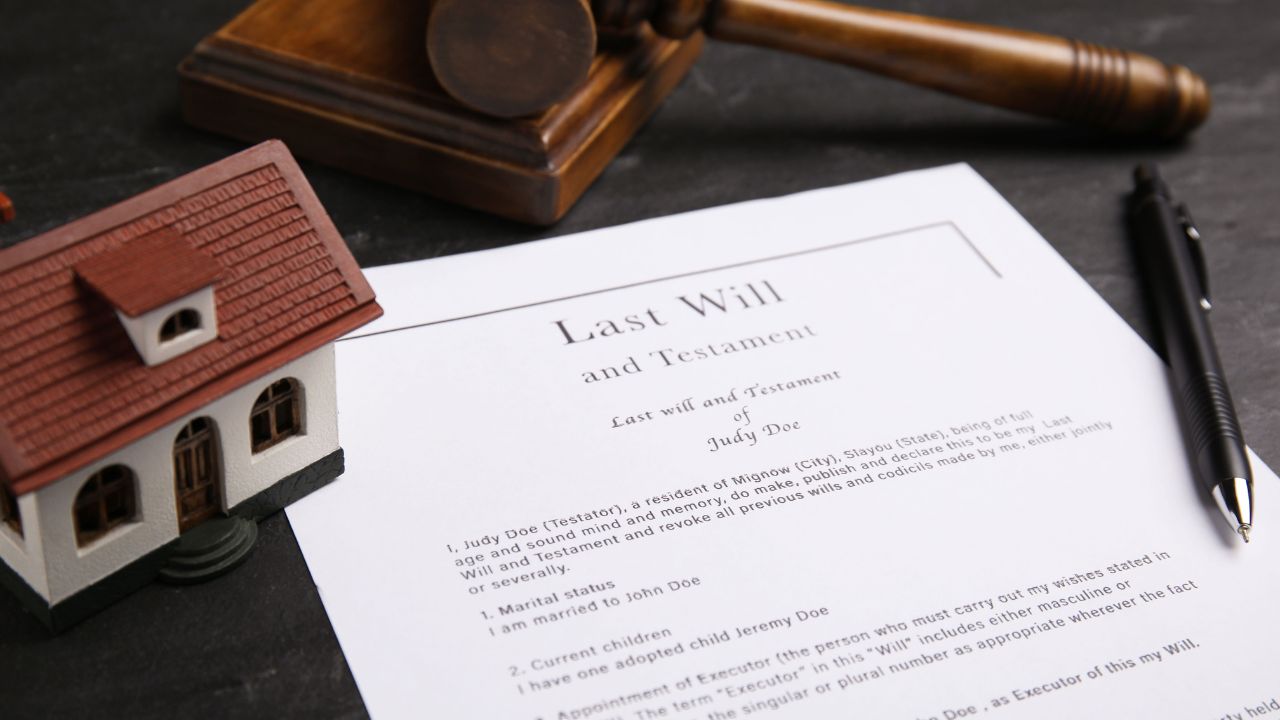
DIY wills are self-prepared legal documents created through online platforms instead of an estate planning attorney in Orange County. Services like LegalZoom, Nolo WillMaker, and Rocket Lawyer provide templates and step-by-step guidance to draft basic wills, powers of attorney, and healthcare directives.
The biggest advantage is cost. DIY wills run less than an Orange County attorney drafted will. Most platforms include state-specific templates, bundled documents, and free revisions. Rocket Lawyer adds unlimited legal documents and attorney Q&A with membership.
The DIY savings come with serious tradeoffs. The American Bar Association identifies improper execution — missing signatures, incorrect witness procedures — as the leading cause of court-rejected wills. Generic templates rarely account for state-specific spousal rights, inheritance rules, or execution requirements. Vague language like "divide fairly" routinely sparks litigation among heirs. DIY trusts are often created but never funded, rendering them useless. The cost of fixing a failed DIY plan in probate court — litigation, unnecessary taxes, guardianship proceedings — typically dwarfs what an Orange County probate attorney would have charged upfront.
Attorney-drafted wills are legal documents prepared by a licensed estate planning attorney in Orange County who tailors every provision to your family's situation, assets, and state law. Most attorneys offer free 30–45 minute consultations and bill via flat fee, hourly rate, or package deal.
California's legal landscape demands specialized guidance. Probate routinely takes over one year and costs a percentage of total estate value. As a community property state, most marital assets are jointly owned — creating distribution complexities that generic templates cannot address. A trust attorney in Orange County can structure a revocable living trust that bypasses probate entirely, saving your family significant time and money.
An Orange County trust and wills attorney ensures proper execution formalities, eliminates ambiguous language, and aligns beneficiary designations across all documents — wills, life insurance, retirement accounts. They identify tax minimization strategies and fund trusts correctly so they actually function.
A DIY will beats no will at all. Many U.S. adults delay drafting one because they feel they don't have enough assets — but dying without any plan forces your family into probate court under state intestacy laws. The real question is whether your situation is simple enough for a template or complex enough to require an estate planning attorney in Orange County.
A DIY will may be sufficient if you're a single individual or married couple with modest assets, no minor children, no blended family, no business interests, and no significant tax concerns. If your estate falls well below the federal tax exemption and your plan is straightforward — everything to your spouse, then equally to adult children — an online platform can document those wishes at minimal cost.
Many Americans have no estate plan, and many who need professional help the most go without it. A trust attorney in Orange County is essential for blended families navigating distribution between a current spouse and children from prior marriages. Several families care for children with special needs, and many of those families fear they can't provide lifetime assistance — a specialized special needs trust protects government benefits eligibility while ensuring ongoing support. Business owners need succession plans involving complex valuations. Estates approaching the federal exemption require sophisticated tax strategies no template can provide.
Choose a DIY will if you are a single individual or a married couple with modest assets, no minor children, no blended family dynamics, no business interests, and a straightforward distribution plan where everything goes to your spouse and then equally to adult children. Choose an attorney-drafted will when your estate involves blended family dynamics, special needs dependents, business ownership requiring succession planning, real property in multiple states, assets approaching the federal tax exemption, or any situation where California’s community property laws, Proposition 19 implications, or probate avoidance strategies require professional guidance.
The gap between DIY and attorney-drafted wills goes beyond price. Understanding the true cost difference and legal validity risks helps you make the right decision for your family.
A DIY will is a self-prepared legal document created through online platforms like LegalZoom, Nolo WillMaker, or Rocket Lawyer using standardized templates and step-by-step guidance. Best for: Single individuals or married couples with modest assets, no minor children, no blended family, and straightforward distribution plans. Outcomes: Basic wishes documented at minimal cost, but carries risk of improper execution, ambiguous language, and state law noncompliance that can trigger probate litigation costing a percentage of total estate value.
An attorney-drafted will is a legal document prepared by a licensed estate planning attorney who customizes every provision to your family’s situation, assets, and applicable state law. Best for: all families, blended families, special needs dependents, business owners, estates with real property in multiple states, and anyone needing probate avoidance, tax planning, or trust administration. Outcomes: Legally sound documents with proper execution, coordinated beneficiary designations, funded trusts that bypass probate, and tax minimization strategies that protect your family’s wealth long-term.
Legal validity is where DIY wills fail most dangerously. Execution requirements — witness counts, notarization rules, holographic will acceptance — vary by state. A will valid in California may be unenforceable in Florida. Forced heirship and elective share statutes allow surviving spouses to claim a percentage of the estate regardless of what the will says. Community property and common law states treat marital assets differently upon death. Homestead protections can override distribution wishes. Conflicts between a will and beneficiary designations on life insurance or retirement accounts trigger litigation. These are legal complexities that no template anticipates and no DIY platform resolves.
A flawed or missing will costs families far more than professional planning ever would. Failed DIY plans routinely trigger probate litigation, unnecessary tax bills, and guardianship proceedings. Two common pitfalls: ademption — where a bequeathed asset no longer exists at death, causing the gift to fail entirely — and abatement, where insufficient estate assets force proportional reduction of all gifts.
Without a valid will, state intestacy laws dictate who inherits — regardless of your intentions. Not all states follow the Uniform Probate Code, creating wide variations in probate procedures, inheritance taxes, and beneficiary rights. Estates exceeding $15 million face federal estate tax. Without designated alternate beneficiaries, assets default to state-determined distribution.
An Orange County probate attorney drafts precise bequests, names contingent beneficiaries, and includes simultaneous death provisions. They structure revocable living trusts that bypass probate entirely and allow immediate asset management upon death or incapacity.
When a will is invalid or a person dies without one, the California probate process takes over. This court-supervised proceeding can last several months and consume a percentage of the total estate value in fees and court costs. DIY wills frequently lack the precise language and proper execution California courts require, leaving families exposed to delays, disputes, and unexpected expenses. An experienced Orange County probate attorney can help families avoid probate entirely or navigate the process efficiently when it cannot be avoided. A properly drafted estate plan from the start is always the smarter choice.
Your estate plan is a living document. The right choice between DIY and professional help depends on your family's complexity — but either way, the plan needs ongoing attention.
Professionals recommend reviewing your will every 3–5 years. Minor updates — changing an executor, adding a small bequest — can be handled through a codicil executed with the same formalities as the original will. Significant changes require drafting a new will entirely. Charitable bequests offer unlimited federal estate tax deductions, and advanced strategies like Charitable Remainder Trusts provide additional tax-planning benefits.
Our estate planning attorneys focus exclusively on California trust and estate law, with deep knowledge of Orange County’s local probate court procedures, community property rules, and Proposition 19 property tax implications. Every plan is built around your family’s specific assets, relationships, and goals — not a one-size-fits-all template.
Choose our firm especially when your estate involves blended family dynamics, special needs dependents requiring government benefits protection, business succession planning, real property in multiple counties, or assets approaching the federal tax exemption. We also help families who started with a DIY plan and need professional correction before errors cause irreversible damage in probate court.
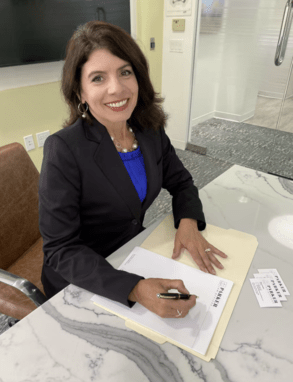
At Parker Law Offices, our experienced legal team helps Orange County families protect their assets, avoid probate, and create estate plans that honor their wishes. Whether you need a straightforward will, a comprehensive living trust, or probate guidance after a loss, we’re here to help — and most estate plans are completed within one week. Protecting your family's future starts with a single consultation. Contact an estate planning attorney in Orange County today.