
Key Takeaways
Estate planning is the process of preparing for the future to ensure that your assets are distributed according to your wishes after your death. It involves more than just creating a will; it includes setting up trusts, naming beneficiaries, and assigning powers of attorney for both health and financial decisions. In California, where estate planning laws can be intricate, it's essential to understand the basic components and the legal formalities involved. This guide will walk you through the steps to start your estate planning journey, ensuring your legacy is protected for future generations.
Estate planning protects what you've built. It ensures your assets go where you want them—and that your family isn't left navigating a legal maze. Understanding estate planning basics in California helps you make informed decisions before it's too late.
Estate planning minimizes taxes, court fees, and family disputes. The result? More of your wealth reaches your loved ones.
A solid plan provides legal protection for your assets. It guarantees they're distributed exactly as you intend. When you protect your legacy through proper documentation, you eliminate guesswork and reduce the risk of costly legal battles. Your wishes are honored. Your family is shielded from unnecessary stress.
Your family receives clear instructions instead of confusion. You name a legal guardian for minor children—not a judge. You choose who raises your kids.
You also name an executor. This person ensures your instructions are followed and your estate is settled properly. Without these designations, courts decide everything. Family members may disagree. Disputes can drag on for years. An estate planning checklist keeps these critical decisions organized and documented.
The state decides everything for you. California's intestacy laws—a rigid, one-size-fits-all formula—determine who gets your property. These laws may not reflect your wishes at all.
The average probate timeline in the United States is approximately 20 months. Only 2% of Americans correctly estimate this duration. Most assume it's much faster. Meanwhile, assets are frozen. Your family waits.
Without a plan, assets may pass to estranged relatives or unintended heirs. Long-term partners, stepchildren, close friends, and charities you care about? They may receive nothing. An experienced Orange County estate planning attorney can help you avoid this outcome entirely.
A comprehensive estate plan includes several essential documents. Each serves a specific purpose. Together, they protect your legacy and ensure your wishes are carried out. Here's wills and trusts explained—along with the other critical pieces.
A will is the cornerstone of most estate plans. It specifies who inherits your property, money, and personal belongings. For parents, it names a legal guardian for minor children. It also designates an executor—the person responsible for settling your estate.
One critical fact: a will does NOT avoid probate. It must be validated through court proceedings before the assets transfer. This is a common misconception in estate planning basics. California residents should understand that a will alone won't spare their family from the probate process.
A trust is a legal arrangement where a trustee holds assets on behalf of beneficiaries. Unlike a will, assets in a trust avoid probate entirely.
A revocable living trust can be changed during your lifetime. You maintain control while alive, and assets transfer privately upon death. An irrevocable trust cannot be modified once established—but it shields assets from creditors and minimizes estate taxes. Both types keep your financial details out of the public record. An Orange County estate planning attorney can help determine which trust structure fits your situation.
Many assets bypass your will completely. Life insurance policies, retirement accounts (401(k)s, IRAs), and bank accounts with Payable-on-Death designations pass directly to named beneficiaries by contract.
This is critical: beneficiary designations override your will. If your will says one thing and your beneficiary form says another, the beneficiary form wins. Always name contingent beneficiaries as backups. Your estate planning checklist should include a regular review of all beneficiary designations.
Power of attorney documents protect you while you're alive. A Durable Power of Attorney for Finances grants someone authority to manage bills, investments, and taxes if you become incapacitated. A Durable Power of Attorney for Health Care names someone to make medical decisions when you cannot.
Without these documents, a court must appoint a guardian or conservator. That process is costly, time-consuming, and stressful for your family. These documents are non-negotiable components of any complete plan.
The first step is understanding what you need—and getting professional guidance. Estate planning basics in California require specific legal formalities. Starting right prevents costly mistakes later.
Yes. DIY templates seem convenient, but small errors can invalidate your entire plan. Missing signatures, incorrect witness requirements, or improper language lead to costly family disputes—or documents thrown out entirely.
An experienced Orange County estate planning attorney ensures your documents are legally sound. They customize everything to California's specific requirements and coordinate your will, trust, and beneficiary designations so nothing conflicts. When you protect your legacy, professional guidance pays for itself.
The required documents depend on your situation, but certain essentials apply to everyone. The moment a child turns 18, parents lose all legal authority to make decisions for them. This surprises many families.
Young adults (18+) need three documents immediately: Durable Power of Attorney, Health Care Proxy, and a basic Will. Without a Health Care Proxy, doctors are legally prohibited from discussing your adult child's condition with you—even in emergencies. HIPAA privacy laws block parents completely. Your estate planning checklist should address these documents the day your child becomes a legal adult.
Your life stage determines which tools you need. Here's wills and trusts explained by circumstance:
| Life Stage | Why Planning Is Critical | Essential Documents |
|---|---|---|
| Young Adult (18+) | Parents cannot make medical/financial decisions if they're incapacitated | Financial POA, Health Care POA |
| Parents with Minor Children | Most critical stage—must name guardians | Will, Life Insurance, Trusts |
| Mid-Life/Accumulating Assets | Manage growing estate, minimize taxes | Will, Revocable Trust, Updated Beneficiaries |
| Retirement/Later Life | End-of-life wishes, tax efficiency | All previous + Living Will |
Every stage builds on the previous one. Start with what applies now, then update as your circumstances change.
Creating an estate plan requires deliberate choices. You must consider who inherits, how health care decisions are made, and how taxes impact your estate. Each decision shapes whether you protect your legacy or leave chaos behind.
Without a plan, courts follow a rigid hierarchy: surviving spouse, then children, then parents, then siblings, then extended family. Your wishes don't factor in.
Consider this case: Jerry died intestate. His daughter from a previous marriage legally claimed one-third of the house value. His widow, Doroth, had to cash in part of her IRA to buy out her stepdaughter's share. The financial strain destroyed their relationship permanently. This outcome was entirely preventable. An Orange County estate planning attorney helps you designate heirs intentionally—not by default.
Absolutely. Incapacity can strike anyone at any age. One in four twenty-year-olds will become disabled before retirement. Approximately 70% of adults aged 65 and older will require long-term care.
A Living Will specifies your wishes for life-sustaining treatments—ventilators, feeding tubes, resuscitation—if you become terminally ill or permanently unconscious. Without one, family members must guess. Doctors may provide treatments you never wanted. Your estate planning checklist must include health care directives alongside wills and trusts, explained in your overall plan.
The 2025 federal estate tax filing threshold is $13,990,000. Most estates fall below this. But for larger estates, strategic planning is essential.
Irrevocable trusts transfer ownership from you to the trust. This removes assets from your taxable estate entirely. With proper structuring, you can reduce your estate value below the threshold—potentially avoiding federal estate tax completely. Understanding estate planning basics in California includes knowing when advanced tax strategies apply to your situation.
A will requires more than good intentions. California law mandates specific formalities. Missing even one requirement can invalidate everything. Here's what you need to know about wills and trusts, explained for California residents.
California requires proper signature and witness requirements. You must sign your will in the presence of two witnesses. Those witnesses must also sign, acknowledging they watched you sign. All parties must be present simultaneously.
Small errors invalidate entire documents. Wrong witness count, improper signatures, or unclear language can void your will completely. Courts then apply intestacy laws as if you never wrote anything. Understanding estate planning basics in California means getting the formalities right the first time.
Review your entire plan at least once a year. Circumstances change. Your documents should reflect the current reality.
Review immediately after major life events: marriage, divorce, birth of a child, or significant health changes. A will written before your second child was born may not include that child. A will naming your ex-spouse as executor creates obvious problems. Your estate planning checklist should include annual reviews and trigger-event reviews to protect your legacy effectively.
Every California will should cover four essential elements. First, distribution of assets—who inherits what. Second, guardianship nominations for minor children. Third, executor appointment—the person responsible for settling your estate. Fourth, specific bequests for personal belongings with sentimental value.
An Orange County estate planning attorney ensures nothing is overlooked. They draft language that holds up in court and coordinates your will with trusts, beneficiary designations, and powers of attorney. Complete coverage prevents gaps that create family conflict later.
A living trust is one of the most powerful tools in estate planning. It offers benefits that a will simply cannot provide—privacy, speed, and control. Here's wills and trusts explained with a focus on why California residents often prefer trusts.
Assets in a living trust avoid the public probate process entirely. Your estate value and beneficiaries remain confidential. No public record. No strangers knowing your business.
Trusts are also harder to challenge than wills. Courts give them stronger legal standing. For families with minors or special needs beneficiaries, trusts allow professional asset management over time. Funds can be distributed gradually—at age 25, 30, or specific milestones—rather than all at once. This flexibility helps protect your legacy for generations.
Probate is slow and expensive. The process typically takes 6 months to 2 years. Costs consume an estimated 5% to 10% of the estate's gross value. For a $500,000 estate, that's $25,000 to $50,000 gone.
A properly funded trust bypasses all of this. Upon your death or incapacity, a successor trustee manages assets immediately—no court involvement required. Your family avoids delays, fees, and public scrutiny. Understanding estate planning basics in California means recognizing when a trust makes sense for your situation.
Creating trust isn't enough. Assets must be legally transferred into the trust to receive any benefits. An unfunded trust provides zero probate protection.
Common assets to transfer include real estate, bank accounts, and investment accounts. Each requires retitling in the trust's name. This step is critical—and often overlooked. An Orange County estate planning attorney ensures proper funding. Your estate planning checklist should verify every asset is correctly titled before considering your plan complete.
Even well-intentioned plans fail when common mistakes creep in. Avoiding these errors is just as important as creating the documents themselves. Know the pitfalls to protect your legacy effectively.
Estate plans aren't "set and forget." Review yearly and immediately after any major life event—marriage, divorce, new children, deaths, or significant financial changes.
Beneficiary designations require special attention. They override your will entirely. If your ex-spouse is still listed on your life insurance policy, they inherit—regardless of what your will says. Your estate planning checklist should include annual beneficiary reviews across all accounts: retirement funds, insurance policies, and bank accounts with POD designations.
Yes—but only with correct execution. Missing signatures or improper witnessing invalidates documents completely. Courts treat flawed documents as if they never existed.
One common myth needs debunking: a revocable trust does NOT protect assets from creditors. Only irrevocable trusts provide that shield. Many people misunderstand this distinction when learning wills and trusts explained online. An Orange County estate planning attorney clarifies these nuances and ensures your documents achieve what you actually intend.
Start by actually creating one. Forty percent of people cite "I just haven't gotten around to it" as their reason for having no will. Only 24% of U.S. adults have a will. A staggering 55% have no estate plan whatsoever.
Procrastination is the biggest enemy. Understanding estate planning basics in California means nothing if you never act. Schedule the appointment. Complete the documents. Review them annually. The difference between intention and protection is execution.
A contested estate plan defeats its purpose. Legal challenges drain assets, delay distributions, and tear families apart. Proper preparation prevents most disputes before they start.
Most challenges fall into three categories. First, improper execution—missing signatures, wrong witness count, or procedural errors. Second, claims of undue influence—allegations that someone manipulated the deceased. Third, lack of capacity—arguments that the person didn't understand what they were signing.
Trusts are generally more difficult to challenge than wills. They don't go through probate court, which limits opportunities for contests. When learning wills and trusts, this distinction matters. Choosing the right vehicle helps protect your legacy from future attacks.
Clear, written instructions prevent most conflicts. Ambiguity breeds arguments. Specificity prevents them.
Blended families face the highest risk. Intestacy applies rigid formulas that ignore family dynamics entirely. Stepchildren, long-term partners, and chosen families receive nothing under default laws. One common myth: joint tenancy avoids probate. It only avoids probate on the first death. When the surviving owner dies, probate is triggered anyway. Your estate planning checklist should account for these realities—especially in complex family situations.
Professional guidance eliminates preventable errors. An Orange County estate planning attorney ensures documents are legally sound and customized to California's specific requirements.
Attorneys coordinate all assets—both probate and non-probate property. They identify conflicts between your will and beneficiary designations before those conflicts create problems. Understanding estate planning basics in California includes recognizing when DIY approaches create more risk than savings. Professional help reduces the chance of costly challenges or complete invalidation.
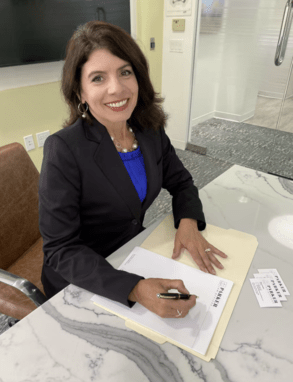
At Parker Law Offices, we understand the importance of a solid estate plan. Don’t leave your family’s future to chance. Let us guide you through every step of the estate planning process to ensure your wishes are honored and your legacy protected. Book an appointment with us today and start planning for a secure tomorrow.